Category: Uncategorized

  • Memorable Journey

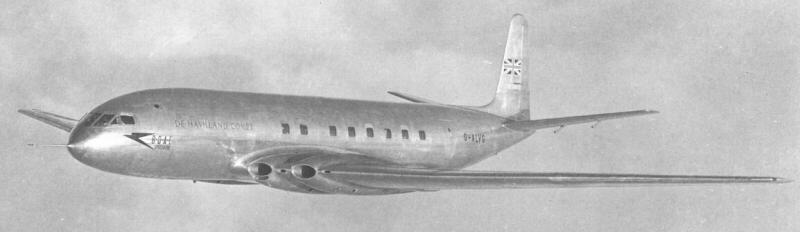
    One of the first CometsA couple of days ago I came across a program on Discovery about the first commercial jetliner in the world. It was the De Havilland Comet and they had a lot of problems with it. There were a number of mysterious crashes where the aircraft just broke up in the air with no warning and plummeted from the sky with no survivors. Not the best of starts to the jet age.

    After exhaustive testing, including submerging a full size aircraft in a specially built water tank and forcing water in and out of the cabin to simulate pressurization, the problem was discovered. The skin was to thin and the windows and doors square shapes caused stress to build in the corners and cracks to form. These cracks gradually grew until the fuselage failed and the aircraft broke up in flight. This was the first documented aircraft failure from metal fatigue and the start of the balancing act between strength and weight which is still being played out today.

    Another reason I watched the show was a sentimental one. The Comet was the first aircraft I flew overseas on when I was in the RAF. That is dating me but I don’t think I mind anymore. We were on our way to Peru from England and I had expected to go in a Britannia which was a four engine turbo prop but to be going in one of the five Comets that the RAF had was a real treat.
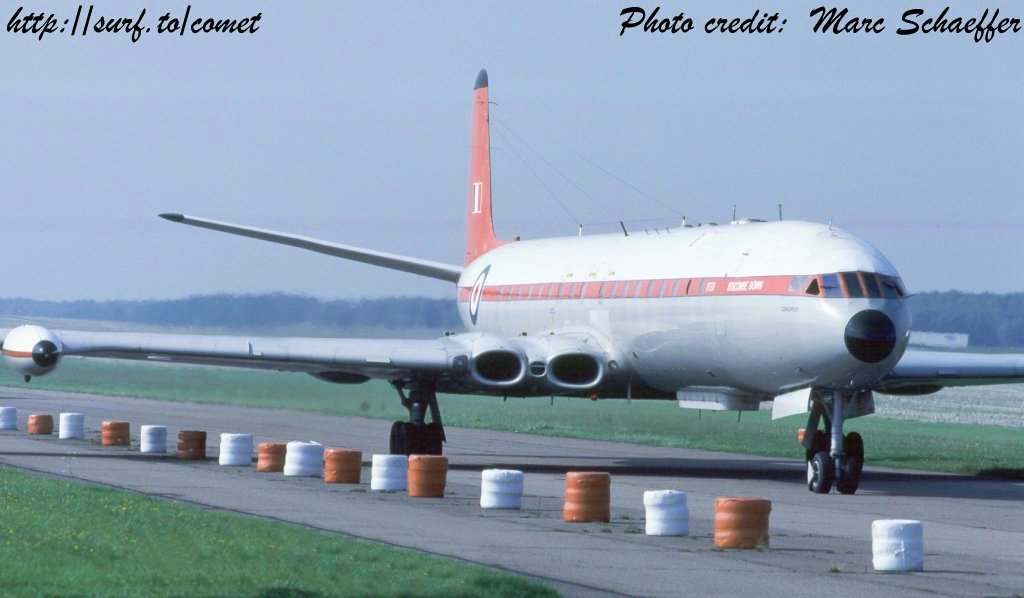
    When we had boarded the ‘treat’ turned into a slog with a fuel stop in Shannon, Ireland and another in Gander, Newfoundland before the overnight stop in Washington DC. The next morning suffering from an underestimate of the strength of the American beer we boarded and headed for the island of Jamaica.

    The airport staff also was surprised by the Comet and we spent fifteen minutes dying from the heat, trapped on board as they ‘rushed’ Jamaica style to find a set of steps to get us off the aircraft. After a couple of hours we were on board again for the final leg to Lima in time for the evening meal, if only we had learned Spanish. Still for a nineteen year old the trip was memorable and ten weeks in South America and the return in the Britannia were even more so. But that is another story.
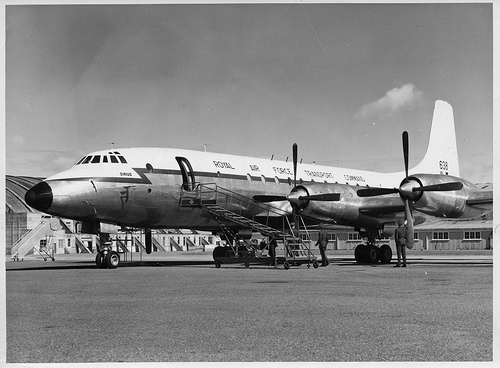

    Britannia
    Britannia
  • What if I can’t swim?

    Air Canada Jazz, the regional feeder airline for Air Canada, has just announced that the Life Preservers will be removed from all flights as a weight saving move. This is, of course, another way of saving precious fuel. But what about the customer’s reaction? Well, an airline always treats their customers like non voting shareholders who pick up the tab for anything the airlines do. This is just another example of an airline doing something without due regard to how it will be received by the travelling public. The announcement was not thought out in regard to the reaction from the rule ignorant public being whipped into a frenzy by the headline hungry press!


    It is now common knowledge from the on going press coverage that Life Preservers are not required on the Jazz flights due to the fact they are not over water for the required distance. 


    This is not the only savings in weight that is being carried out throughout the industry. There are changes in cutlery, magazines and even the amount of water on board to flush the toilets. One airline has changed the size of the wine bottles to save weight.


    With the price of fuel, bad economy and the shrinking of people’s real wealth, the reductions in everything but the actual ticket price will continue.

  • Internet in the Air

    American Airlines have broken new ground with the introduction of WI-FI computer access on selected flights over the US. It will be available above 10,000 feet and will cost $12.95 on flights of more than 3 hours. So instead of the movie we will all be tapping away at the laptop and surfing the Web.  Cell phone and Voice over Internet Protocol (VOIP) is still not allowed.


    “Today, U.S.air travel changes forever. With Aircell’s unique ATG in-flight Internet service, airlines finally have an economically viable option for providing the broadband connectivity passengers are demanding,” says Aircell President and CEO Jack Blumenstein.


    UPDATE


    Delta Airlines and Air Canada have also made announcements that they will be making broadband Internet access available on their flights.


  • Thielert Engine

    The aircraft engine I always thought needed more development was the diesel engine. It was used in the past by large aircraft and even airships but they were always considered to be big and complicated for small single or twin engined aircraft. But a company from Liechtensteincalled Thielert changed all that.

     

    They developed an engine from the Mercedes A-class automotive power unit, which has been certified for use in aircraft by the FAA and is in use in several hundred aircraft around the world. The only problem is that Thielert have gone into liquidation. This leaves several hundred owners and companies with no support for the engine in their aircraft. Spares are becoming scarce and expensive and there is no other company authorized to do the work on them. Furthermore the gearbox and clutch between the engine and the propeller has to be inspected every 300 hours. This is a very expensive exercise, as it had to be removed and shipped to the factory for the inspection.


     Cessna, with all their business experience find themselves in the same boat with 160 Thielert powered 172’s to be delivered this year and no engines to put into them. An Austrian company called Diamond are the other manufacturer who have many hundreds of aircraft powered by Thielert’s diesel engines. There are other engines being developed which will hopefully take the place of the Theilert but they are not certified yet.


    Why all this sudden interest in diesel engines? Well you get a lot more bang for your buck as the specific fuel consumption is a lot better in a diesel therefore reducing fuel costs. The USAhad no motivation for diesels’ with the supply of cheap gasoline but that has all changed now. An additional advantage is there is no ignition to worry about and the engines have been developed to be a single lever control. This means the end to the prop and fuel mixture levers with the FADEC doing all the adjustments automatically.


    The diesel powered single engine trainer will give the pilot more time to fly the plane instead of all the engine related monitoring tasks therefore gaining more flying skills faster and reducing the amount of time spent in the air consuming that expensive fuel. The weekend flyer will also have more time to fly the aircraft instead of being preoccupied with controlling the engine, an added safety feature.


    Another advantage is the fuel it will run on. Jet A1 is going to be the fuel of choice with diesel as an alternative, this is readily available anywhere the planes fly to. Aviation Gasoline (AV Gas) is becoming a rare commodity as not all FBO’s carry it and refineries are reluctant to produce it given the small customer base. Transportation of the fuel is also a headache due to the lead content which means it normally has to be trucked everywhere to prevent lead build up in pipelines and valves. This all adds to the cost and you know whom that will be passed onto.


    So the diesel engine has a lot going for it now that it can be fitted into the small aircraft and still produce the required power. I would expect to see more being the power plant of choice when the new ones are certified. It is just a pity that Thielert went  the way they did and left a whole lot of people in a whole lot of mess.


    UPDATE

    There maybe a future for the Thielert engine after all. There are reports of several letters of interest detailing development and financing from interested parties. The insolvency administrator will evaluate the offers and reduce them to a few which will be given due diligence and a decision will be made for the engine production to be taken over.

    December 2008

    Diamond has come up with a plan for the owners due to new developments. More infomation at www.thenog.org 


  • American Eagle Versus the TSA

    Security at airports has always been a controversial issue. People need the assurance of security checks and searches but don’t want to be personally involved. Having a stranger poke and prod your personal belongings, or worse still your person, is something that nobody enjoys. Most people recognise the need for these intrusions and there is normally no harm done during these inspections.

    When it comes to aircraft security things can be a lot different. There was the recently reported case of a TSA inspector at Chicago O’Hare airport who grounded 9 American Eagle aircraft while he was doing his job of testing the security of the aircraft parked on the airport. This is a common exercise at all North American Airports where aircraft park overnight and are supposed to be secured to prevent intruders gaining access to them. This inspector went a little over the top, literally, by climbing on the aircraft to see if he could gain entry. In doing so he damaged external probes which are on the side of the fuselage by using them as steps and handholds. Using this method he was able to gain access to the bridge which links the aircraft to the airport.

    In my opinion he should be looking to see if it is possible to gain access to the area where the aircraft are parked as this restricted area has a lot more potential for bad guys than gaining access to the interior of an aircraft.

    I guess he crossed the line between aircraft security and aircraft safety which is a grey area for the security inspector who could benefit from an education in the hazards associated with aircraft to himself and the crew and passengers. There is now the possibility of action being taken by the TSA against the airline as he gained entry to 7 of the 9 aircraft. There is, of course, the other possibility of the airline taking action against the TSA for potentially damaging the aircraft in gaining access to them.  Another win win situation for the lawyers.

  • Can We Have Our Plane Back Please?

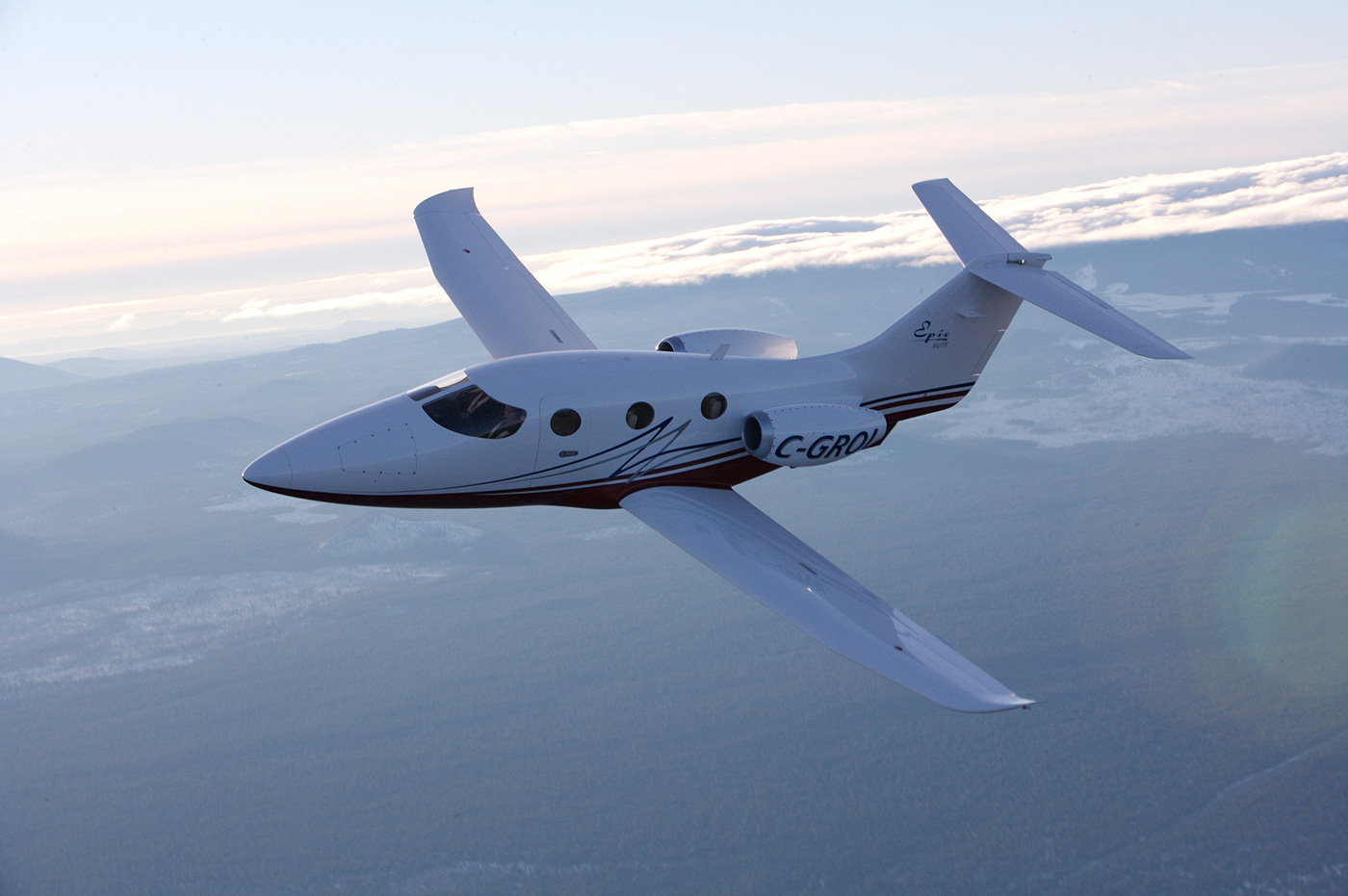
    Just when you think everything is going well it all goes wrong. It is literally one of a kind and it is now a prisoner of war. What is it? The new Epic Elite Very Light Jet (VLJ) out of the Bend, Oregon facility is now in Tbilisi in Georgia.

    The problems Georgia and Russia are having has trapped the aircraft in a hangar with no hope of an early exit as there are now too many holes in the runway for a successful take off. Why Tbilisi? Well Epic and the Tbilisi Aerospace Manufacturing Company (TAM) are partners in the production of the Elite which is to be certified first in Russia. The aircraft was coming to the end of a tour of Europe when it arrived in Tbilisi.

    The chance of it making the proposed visits to Farnborough and Oshkosh are not likely considering the position it finds itself in at the moment. But on the other side of the coin the people who have the aircraft are very keen to keep it in good condition, so all are hoping for a happy outcome to the problem.

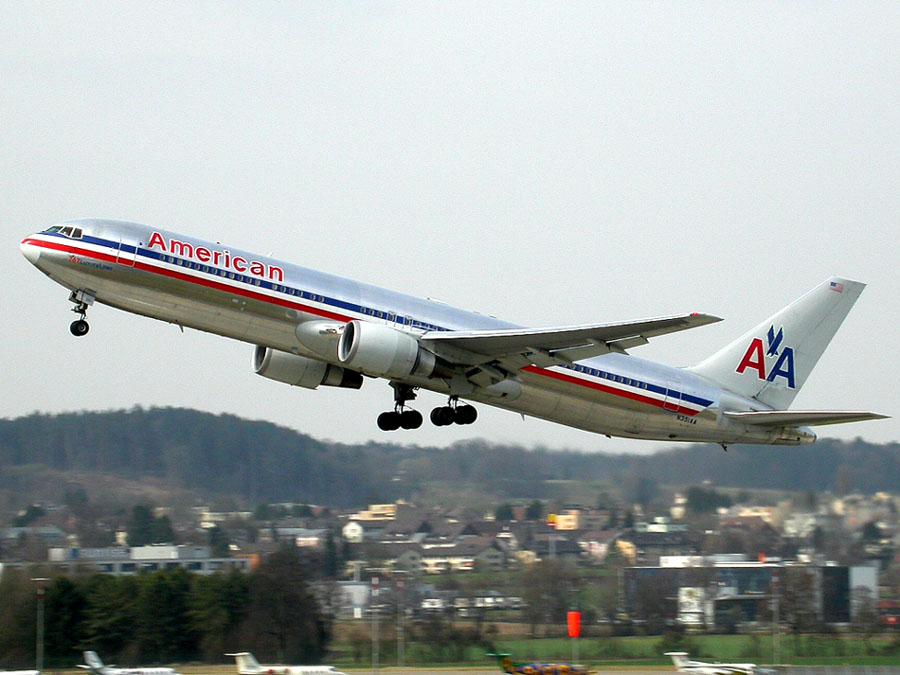
  • American Airlines

    Is it just me or is the FAA out to close down the industry in the USA? American Airlines have just been slapped with a penalty of $7,500,000 for a paperwork snafu.

    Now we all know there are rules in place and they are there for good reasons but when there is no safety issue but merely a wrong selection in the MEL I am at a loss to see how the huge penalty can be justified. For those of you who are unsure of how an MEL works let me explain.

    The manufacturer of the aircraft provides each aircraft with a list of the equipment which, given the right controls and circumstances, the aircraft can still be safely operated when this equipment is not working. It could be something as simple as a landing light or as complicated as the auto pilot. Normally, on an airliner, the MEL book can be a few inches thick. The pilots and the maintenance personnel are trained in the operation of the MEL and without it a lot of flights would not be on time.

    Because American has used the wrong entry in the MEL to defer the fixing of the equipment the FAA have imposed a huge fine. The equipment was allowed to be broken while the aircraft operated and the only thing wrong was a paperwork entry. No lives were at risk and the equipment was fixed within the limits of the MEL. So why the size of the fine? The FAA are not saying but American’s lawyers are asking and the whole thing is going to be a long drawn out legal battle. The likes of which neither American Airlines or the cash strapped FAA can afford!