Category: Comet

  • Boeing and Airbus on track?

    The Boeing Dreamliner is back in the air and the Airbus A350 is completing the first elements of the flight test program required for certification. So all is well in the Big Two manufacturers world. Or is it, such is the nature of the business that this assumption will never be accurate. There will always be setbacks and problems when each airframe, engine combination is pushing back the boundaries of fuel economy and efficiency.

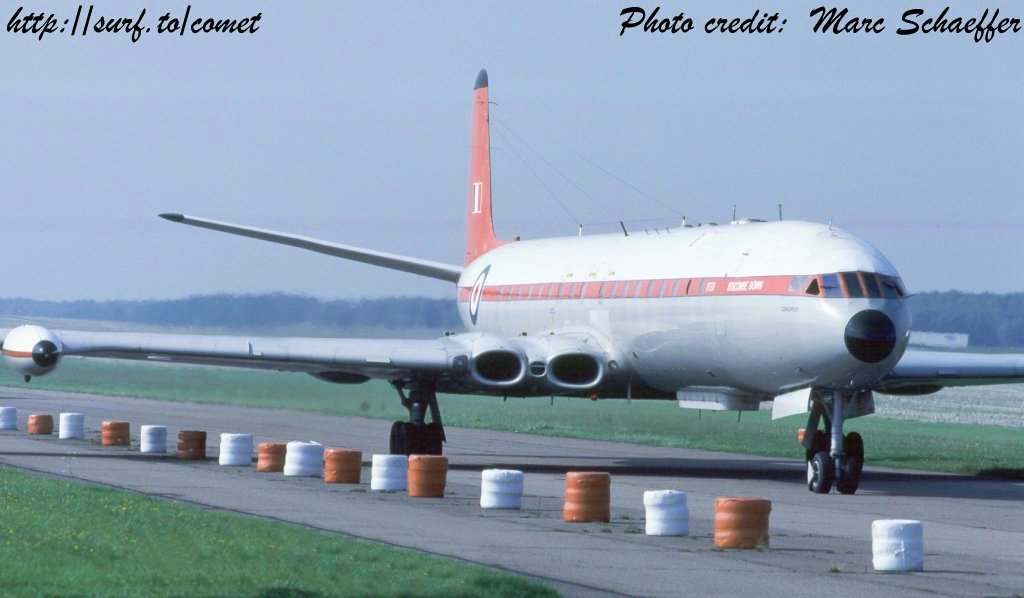
    There is a huge requirement to reduce all the negatives like fuel burn and aircraft weight while increasing the load and range of the aircraft. The development of the airliner design from the first jet airliner, the De Havilland Comet, to the latest Boeing or Airbus aircraft has been amazing in the last 60 years. Every time I think they have reached the ultimate in design they exceed it with the next aircraft.

    The Boeing 737 was, and still is the work horse of the Seattle based manufacturer. It was challenged by the A320 family and now the Big Two are competing for another prize with the 787 and A350 by flying non stop from London England to Sydney Australia as a regular commercial route.

    Quite amazing that Louis Bleriot managed the first powered flight across the English Channel in 1909 and now in 2013 we are vying for non stop scheduled flights from London to Sydney.

    I can’t wait to see what they will come up with next.
  • Memorable Journey

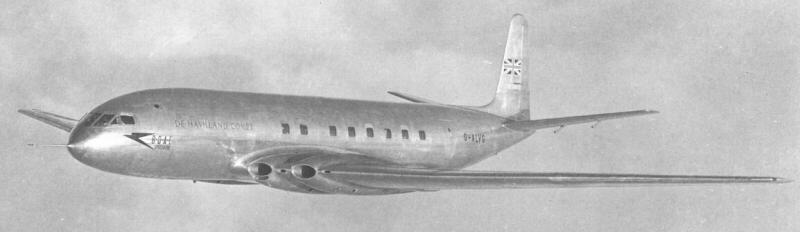
    One of the first CometsA couple of days ago I came across a program on Discovery about the first commercial jetliner in the world. It was the De Havilland Comet and they had a lot of problems with it. There were a number of mysterious crashes where the aircraft just broke up in the air with no warning and plummeted from the sky with no survivors. Not the best of starts to the jet age.

    After exhaustive testing, including submerging a full size aircraft in a specially built water tank and forcing water in and out of the cabin to simulate pressurization, the problem was discovered. The skin was to thin and the windows and doors square shapes caused stress to build in the corners and cracks to form. These cracks gradually grew until the fuselage failed and the aircraft broke up in flight. This was the first documented aircraft failure from metal fatigue and the start of the balancing act between strength and weight which is still being played out today.

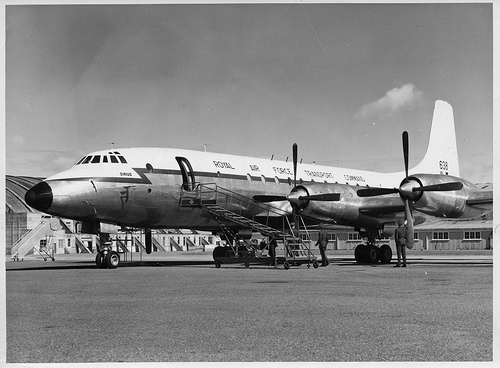
    Another reason I watched the show was a sentimental one. The Comet was the first aircraft I flew overseas on when I was in the RAF. That is dating me but I don’t think I mind anymore. We were on our way to Peru from England and I had expected to go in a Britannia which was a four engine turbo prop but to be going in one of the five Comets that the RAF had was a real treat.

    When we had boarded the ‘treat’ turned into a slog with a fuel stop in Shannon, Ireland and another in Gander, Newfoundland before the overnight stop in Washington DC. The next morning suffering from an underestimate of the strength of the American beer we boarded and headed for the island of Jamaica.

    The airport staff also was surprised by the Comet and we spent fifteen minutes dying from the heat, trapped on board as they ‘rushed’ Jamaica style to find a set of steps to get us off the aircraft. After a couple of hours we were on board again for the final leg to Lima in time for the evening meal, if only we had learned Spanish. Still for a nineteen year old the trip was memorable and ten weeks in South America and the return in the Britannia were even more so. But that is another story.

    Britannia
    Britannia